

5 Reasons Why Your Self-Care Routine Should Include Being Creative
As you recognize World Health Day and take some time to reflect on how you’re prioritizing your well-being, consider why your self-care routine should include being creative. From self-discovery to stress relief, embracing your creative side can improve your mental health in a number of ways.
Every year, World Health Day is celebrated on April 7th, bringing attention to specific health concerns that impact people across the planet. This year, the theme is rooted in the need for creating societies that are focused on well-being.
While there’s a significant emphasis on the physical health of humans — 99% of the world’s population now breathes polluted air — mental health is also something to be discussed when your well-being is at stake.
Practicing self-care can come in many forms. You may have visions of bath-bombed tubs, face masks, exercise, or a well-deserved nap. But there’s another way you can pamper your mental health and overall wellness — being creative!
Whether you’re an artist by trade or you use your free time to dabble with your favorite form of arts and crafts — those moments you home in on your creative thoughts are acting as mini art therapy sessions.
As you recognize World Health Day and take some time to reflect on how you’re prioritizing your well-being, consider why your self-care routine should include being creative. From self-discovery to stress relief, embracing your creative side can improve your mental health in a number of ways.
1. Creativity Encourages You to Discover Yourself
When you’re creating, you make decisions about what you like — what colors, shapes, configurations, and textures are you drawn to? To make art in any form you make choices based on your inner impulses and visions.
Think of your creative outlet as an instrument to recognize feelings and thoughts that have been lurking around in your subconscious. You may find yourself broadening your horizons the deeper you go with your art.
2. Creativity Provides a Healthy Emotional Release
You’re not only turning into yourself when you spend time in a creative headspace, you’re also expressing yourself through an external representation of your internal world.
The arts give way to a healthy outlet for expressing and letting go of your feelings and fears. Complex emotions like sadness, anger, or frustration can’t always be easily communicated with words.
But keep in mind that creating doesn’t have to be used for melancholy emotional releases. Dive in when you’re feeling at your best, too!
3. Creativity Helps You Manage Stress
Studies have shown that creative activities — whether that’s art therapy or color-in mandalas — can minimize anxiety, combat stress, and improve a negative mood.
One reason why being creative helps relieve stress and relax your mind is because this is a form of practicing mindfulness. Rather than focusing on the gloomy or pessimistic emotions you’re feeling, you’re directing your attention to the project in front of you and going with that “flow.”
Studies also show that creating art stimulates the release of dopamine. This is the chemical that makes us feel happier when we’re doing something that brings us joy.
4. Creativity Promotes Higher Self-Esteem
The creative process can give you a feeling of self-accomplishment and heighten your feelings of self-appreciation and confidence. Yes, there can and will be frustrating times when you’re working on a project, but doesn’t it feel so wonderful to see your work finished?
The inherent value of the process is what should be focused on — not whether you think you’re “good” at art or not. The exciting part is developing your skills and finding your own groove to get your artwork to where you want it to be.
Allow yourself to find your creative identity on your own terms and be proud of the outcome.
5. Creativity Connects You to Others
When you show others your art, you’re showing them a piece of yourself. You’re opening yourself up to dialogue and deeper reflection as you look at your work from an outsider’s perspective.
You allow others to understand your point of view. And when they open themselves up to you through their work, you get to see theirs. This cyclical relationship between creators and their artworks encourages empathy and thoughtfulness within our communities. It establishes a greater sense of support for one another.
And that, in turn, will lift you up when you’re on your own again, creating in your space.
Discover Your Next Project at ReCreative Denver
You are an innately creative person. Wherever you are on your artistic journey, there’s even more imagination and inspiration waiting inside of you to be woken up and unleashed.
Whether you’re painting, sculpting, scrapbooking, or knitting, working creative time into your daily routine can only lead to more positive feelings and exciting outcomes in your artwork.
And if you’re in need of inspiration for your next project, ReCreative Denver is your hub for supplies and tapping more into the creative community. Learn more about how creative reuse centers work and the types of items you can find in our shop!
Find out how ReCreative Denver is helping breathe life into the creative process >

7 Daily Sustainable Habits to Reduce Your Waste
With spring just around the corner, now’s the perfect time to change up your usual routine and implement new, lasting habits that can benefit you, your home, and the environment.
With spring just around the corner, now’s the perfect time to change up your usual routine and implement new, lasting habits that can benefit you, your home, and the environment.
While it’s easy to point fingers at the big contributors of CO2 emissions, you individually can still make a difference by making conscious choices to preserve the future of the planet.
Here are some simple and practical choices you can make on a daily basis that can help create a healthy and sustainable home. From reducing your use of plastics to composting waste, you can help reduce your carbon footprint.
1. Replace Disposables with Reusables
By cutting back or eliminating the amount of single-use products you have in your home you help decrease the need to harvest or create new materials. You save energy and reduce greenhouse gas emissions.
Replace any disposable plastic items in your home with sustainable options like glass, steel, or recycled materials. You can also carry this habit with you outside your home. For instance, taking a travel coffee mug with you into the cafe and filling it up rather than drinking from a throwaway cup.
Other items to replace with reusable options also include:
Plastic grocery bags and produce bags: bring your own reusable bags and forgo using produce bags altogether.
Single-use coffee pods: purchase a reusable pod and start to compost your coffee grounds
Paper towels: use cloth rags or old t-shirts
Plastic utensils: bring reusable cutlery with you to restaurants
Tupperware: invest in storage options that last like glass jars
2. Shop in Bulk
Buying food in bulk benefits both the environment and your wallet.
Opting for bulk items cuts down on packaging materials, streamlines the transportation needed for food delivery, and wastes less food. When you purchase unpackaged items, you control the amount of food you’re leaving the store or market with, versus buying the same product in traditional packaging. No more throwing away food past its expiration date!
Food you can buy in bulk:
Dried beans and lentils
Dried fruits
Frozen fruits and vegetables
Frozen meat and poultry
Honey
Oats and whole grains
Nuts
Pasta
Coconut oil (has a much longer shelf life compared to other oils and fats)
Chia seeds
Peanut butter
Greens and protein powders
Apple cider vinegar
Take your own containers and jars when you head out to shop — more and more stores today are encouraging shoppers to bring their own food receptacles to decrease the need for plastic or paper bags.
3. Practice Meal Planning
Set a plan for your week and create a shopping list to match. Planning out your meals ahead of time avoids food waste and saves you money buying unnecessary items. Plus, less time stressing over what to make!
Everyone loves takeout here and there, but meal planning also avoids the need for ordering out. You can make healthier diet choices, control your portions, and reduce waste over time.
4. Start Composting
Composting at home has many benefits, both for your home and for the planet.
When you compost you can help retain moisture and keep plant diseases and pests at bay. Composting also encourages the production of good bacterias that produce rich, nutrient-filled soil.
You can compost both inside and outside, though outdoors may be easier. Place a bin in a dry, shaded area and fill it with brown (dead leaves, branches, and twigs) and green (grass clippings, fruits, and veggies) materials as you collect them. Moisten the bin as you fill it up, and once its been established you can start adding in materials like grass clippings and fruit and vegetable waste.
Items you can compost:
Eggshells
Coffee grounds and filters
Tea bags
Nutshells
Fruits and vegetables
Shredded newspaper
Cardboard and paper
Yard trimmings
Houseplants
Hair and fur
Sawdust and wood chips
Fireplace ashes
To help keep your composted materials moist, you can cover the bin with a tarp. Once you notice the mixed material is dark in color, your compost is ready to use. Time can vary from months to years, so keep an eye on it as you add to the pile.
5. Put a Stop to Junk Mail
After hitting a peak in 2006, USPS has seen a decline in the amount of mail they deliver each year. Still, in 2021, 128.9 billion pieces of mail were delivered — that’s so much paper!
Having your name removed from mailing lists can stop mail before it’s printed and sent out. Be honest, you don’t like receiving all that junk mail, so it’s a win-win putting a stop to some of the snail mail you receive.
Credit card and insurance companies typically make it easy for you to only receive electronic communications, but a few other options you can check out include:
OptOutPrescreen.com — remove yourself from lists often used for pre-approved insurance or credit card offers.
DMAchoice.org — a Data & Marketing Association tool that helps you manage your mail.
CatalogChoice.org — helps you manage opt-out requests from various organizations.
Now don’t get us wrong, we love a good postcard or thoughtful letter, but there’s a lot of mail out there that doesn’t need to be sent out and wind up in a landfill.
6. Buy Used, Not Brand New
Second hand is not second best! If you’re a pro at thrifting, you know that you can walk away with some real gems after a shopping trip. Plus, these days it's even easier to find one-of-a-kind items following the growth of vintage shops on Instagram.
Buying second hand furniture, books, toys, electronics, and video games helps reduce waste, but it’s clothing that’s the bigger issue. It’s estimated that the average American throws away 81 pounds of clothing each year — and that’s only counting the U.S.
Rather than going out and buying the latest fast-fashion trend, check out your local thrift stores, favorite online outlets (think Etsy, Depop, or Poshmark), or do a clothing swap with a group of friends.
One of our favorite local vintage shops is Hell & Rats, a collective of vendors who always have a quirky and exceptional collection of vintage wears, jewelry, and home goods. Not only do they resale, but they also help repair clothing that could use a little love.
You can catch them at pop-up events throughout Denver, but their permanent home is right here at ReCreative!
Another secondhand shop that’s a must-visit is Strawberry Mountain. Their inventory caters to all eras and sustainably-made clothing. Plus, if you’re looking to sell, they’ll buy your clothing from you for cash or store credit.
Enjoy the hunt for unique pieces and help the environment while you do it!
7. Donate Your Goods
One person’s clutter is another person’s treasure, right? Before you discard any unwanted items — tools, clothing, craft items, furniture, appliances — try selling or donating them first. You’ll reduce waste and help others in your community. You may also be able to take advantage of tax benefits by donating.
You may also find that by donating items that no longer serve you, you’ll declutter your home, create more space, and save time cleaning. Take some time to account for everything you have and see what you can offload to a donation center.
If you’re ready to donate, there are plenty of places who will take your goods:
Creative reuse centers
Local churches
Thrift stores
Schools
Community centers
Nonprofit organizations
If you aren’t able to donate, you can also consider options like composting old clothes, repurposing items for new use, or looking into textile recycling locations near you.
Support Creative Reuse Centers
By doing your part, you’re supporting your community and contributing to the cause of helping the planet. By making small changes and putting good habits into practice, you’ll start to live a more sustainable life one day at a time.
You can also sustain organizations in your community who spearhead efforts to create a more environmentally friendly society. Creative reuse centers like ReCreative take in your used goods and give them new homes. You can show your support through volunteering, making contributions, and of course, donating.
Learn more about creative reuse centers and how to support them >

How Do Creative Reuse Centers Benefit the Community and Environment?
Creative reuse centers, like ReCreative Denver, collect your used materials and help keep them out of landfills. When you donate, you redistribute to the community and you show your support for the organization. Proceeds from the resale of your goods goes to things like arts programming, workshops, and other community-driven projects.
Collecting arts and crafts supplies can be a fulfilling endeavor — one that can bring joy as you create at home and share your work with others. But eventually, those supplies get replaced with others, and you’re left with a pile of unused materials.
It’s nice to have items like these available, but it likely isn’t necessary to hold onto supplies that no longer serve you.
In your collection of craft supplies, do you have paint that you no longer use, or buttons that will never be sewn onto a shirt or jacket? Maybe you have fabrics, felts, or foams stored away “just in case”. Items like stickers, crayons and markers, or paintbrushes left over from a previous project?

Rather than throw them away, donating your leftover or surplus materials is an earth-friendly and community-benefiting alternative.
Creative reuse centers, like ReCreative Denver, collect your used materials and help keep them out of landfills. When you donate, you redistribute to the community and you show your support for the organization. Proceeds from the resale of your goods goes to things like arts programming, workshops, and other community-driven projects.
By donating, you have a much bigger impact than you may realize. Since opening in 2016, RCD has diverted nearly 93,000 pounds of waste from landfills because of donations made. Read on to discover how creative reuse centers — and your support of them — helps give material new life and benefits the greater community.
How the Community Benefits
Creative reuse centers are a place to learn, discover, and create. Browsing through secondhand art supplies — where you never know what you might find or who you may meet — can lead to inspiration and collaboration with other creatives. Expect the unexpected!
Through programming, creatives of all ages and backgrounds can learn about reuse in a fun and inclusive environment.
By demonstrating that art can continue to be made from materials all around us, centers like ReCreative reduce barriers to art supplies and make artistic expression more accessible to everyone.
Students and teachers also benefit from donated items. Educators can stretch their budgets by purchasing affordable and unique materials at creative reuse centers. Classroom supplies are often donated — sometimes brand new — and can be repurposed for students.
No matter your level of artistry, your passion, or your profession — you can find something to bring new life to when you visit a creative reuse center.

How the Environment Benefits
When you donate your unused materials, you help prevent pollution by reducing the need to create or harvest new materials.
You can help reduce greenhouse gas emissions that cause global climate change and lower the amount of waste that would otherwise be sent to be recycled or sent to landfills. There are also organizations now that focus on how reusing and recycling artistic materials can help clean up our oceans.
Centers like ReCreative also can create green collar jobs and volunteer opportunities. With such a focus on “greener” initiatives, they generally support economic development in the environmental sector. You’ll find that creative reuse centers also often collaborate with other organizations who have similar visions and dreams for their community impact.
By taking a moment to gather unused materials and share them with reuse centers, you’re contributing to the fight for a more sustainable future for generations to come.
Items You Can Donate
When you donate to ReCreative, you not only are making a difference in your community and our environment, you’re also helping yourself. Each donation is tax-deductible and you’re making space in your home for your next great creative project.
There can be quite a bit of wiggle room when it comes to what you can donate, but generally creative reuse centers, like RCD, typically look for:
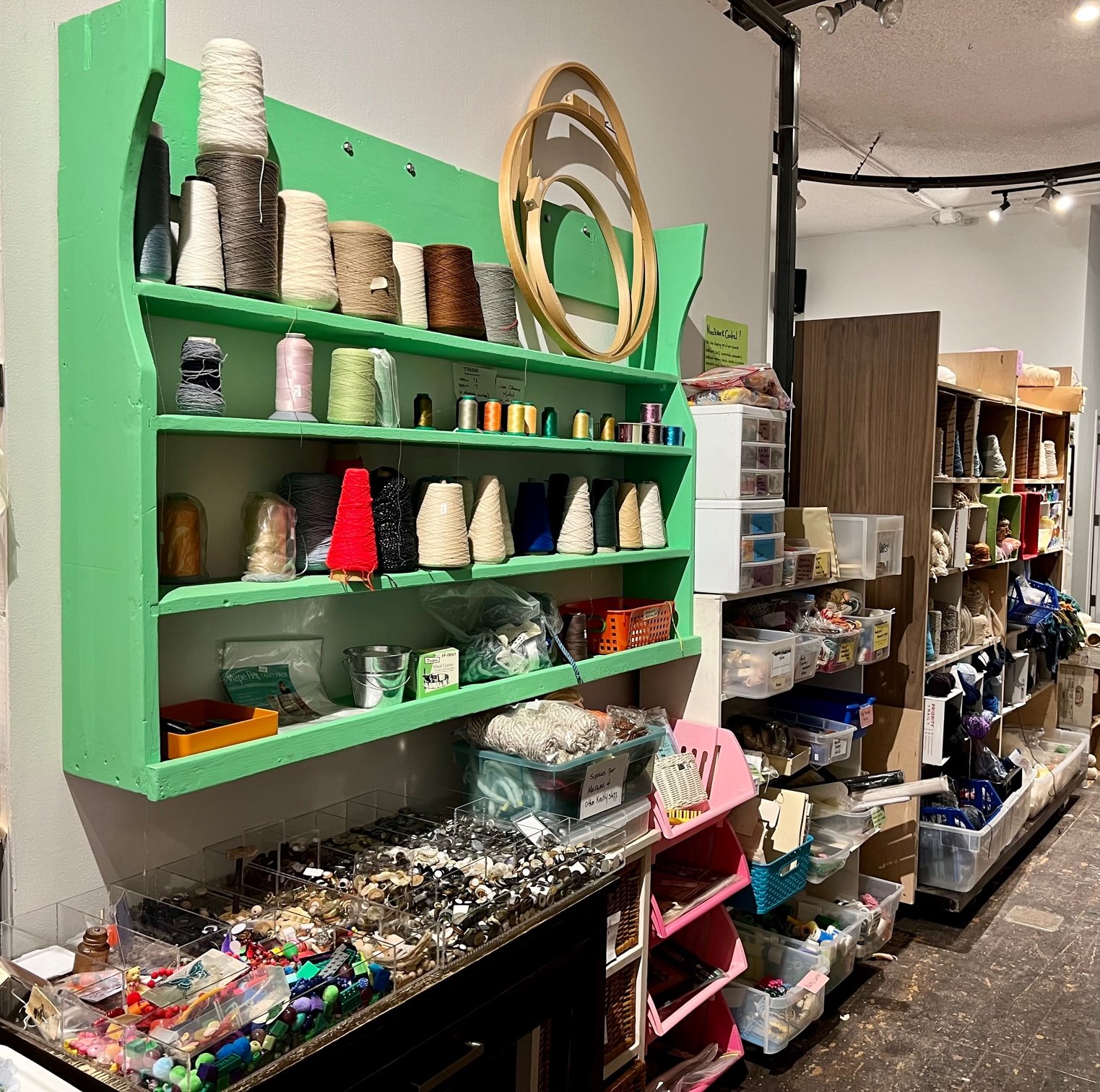
Yarn, fabric, and sewing materials
Sewing machines
School supplies
Office supplies
Paper of all colors and sizes
Sketchbooks and canvasses
Colored pencils, crayons, markers, chalk
Easels and palettes
Paint (oil, acrylic, watercolor, gouache, encaustic) and varnishes
Paint brushes and paint/palette knives
Clay, pottery tools, and glazes
Film and cameras
Scrapbooking supplies (stamps, paper, tools, etc.)
Greeting cards and gift wrap for every occasion
Wood, metal, and plastic in a variety of shapes and sizes
Specialty items donated by local businesses and manufacturers
Vintage goods
It’s always exciting to see what folks bring in and how others bring new life to those items.
Get Involved at ReCreative
We believe that art fuels innovation and collaboration, and we strive to create a physical space and approach that embodies this belief.
As we work to continue to be not only a model for environmental stewardship, but also a catalyst for social and intellectual enrichment, we hope you’ll join us. By bringing together members of our community to donate, shop, create, and experience cultural and personal connections — we wish to inspire growth and change.
Art has the power to change human consciousness, and the more we continue to build a community who believes this, the more we can all challenge one another to think more broadly about interpersonal and global impact.