

Meet the Women of ReCreative Denver: Carol Angel
Carol Angel is the heart and soul of the volunteer program at ReCreative. Not long after we opened our doors, Carol met up with our founder, Emily, to donate some of her loved creative items. After learning about ReCreative’s mission and vision, she felt compelled to get involved.

Carol Angel (she/her) is the heart and soul of the volunteer program at ReCreative. Not long after we opened our doors, Carol met up with our founder, Emily, to donate some of her loved creative items. After learning about ReCreative’s mission and vision, she felt compelled to get involved.
Recycling and reuse has been a passion of Carol’s since childhood. When she was young she’d help others in recycling — whether it was collecting aluminum tabs from cans from her brother’s boy scout troop or picking up cans from the street or trash cans to recycle them. She still does this today!
As a retired lawyer, Carol has found the time to explore a number of creative outlets and has explored mediums like ceramics, stained glass, jewelry, collage, and assemblage art. She even was a part of an all-female improv group for a few years.
Carol finds inspiration in the “flow” of imagining and creating something — she says it takes her out of ordinary life and into a meditative state.
She also finds inspiration in encouraging others — especially young people — to explore and enjoy their own creativity. For example, when the COVID-19 pandemic started, she would put out little art projects and kits for her neighbors to take and create in lockdown. She loves looking back at the handwritten “thank you” notes from kids about what she now calls her “Little Free Art Library.”
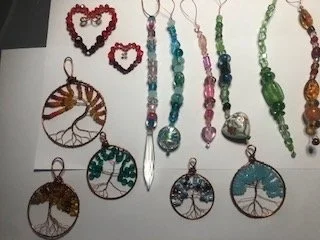
Projects made from Carol’s Little Free Art Library.
For the past five years, she has run the “Creation Station” at the Colorado Unicorn Festival and Colorado Chocolate Festival. Through these events she gets to combine her love for creativity and reuse by having kids create projects with reused materials.
Carol brings this same energy and sense of inspiration to ReCreative in helping coordinate volunteers and organize donations. If you ever volunteer at RCD, you’ll be lucky to work with her in the process.
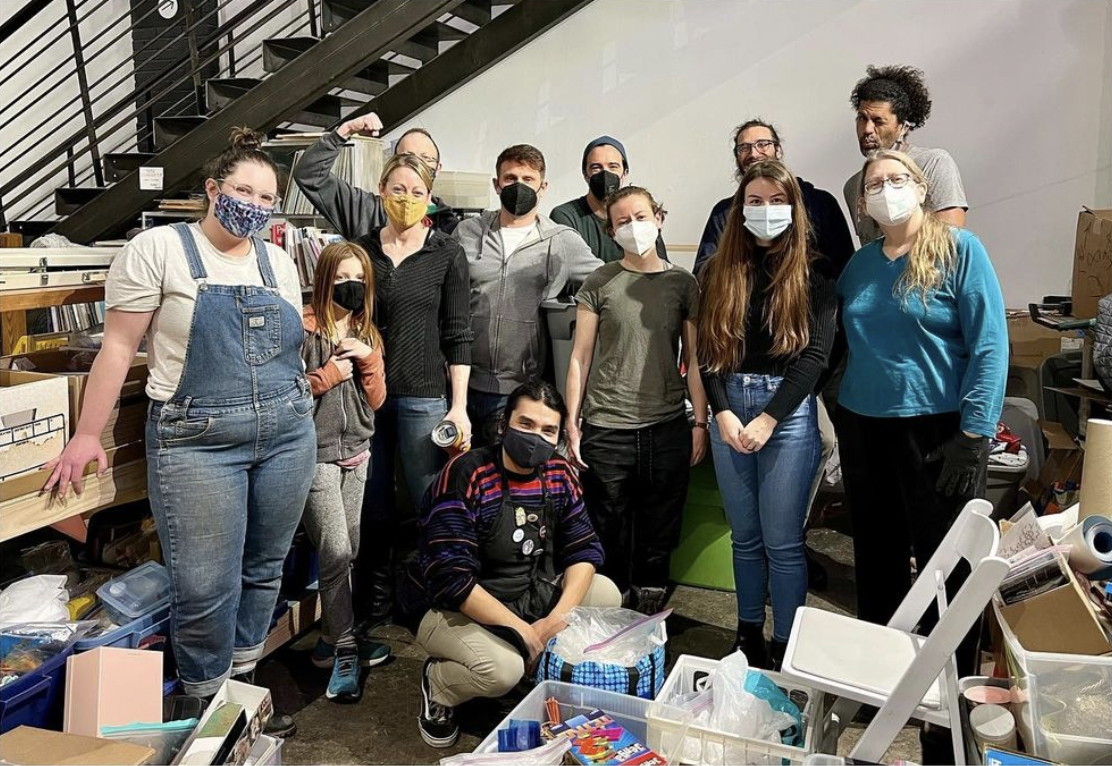
“I hope to continue volunteering at ReCreative for years. I love the energy and spirit of the community — employees, volunteers, artists and woodworkers, board members, and customers. I enjoy sharing the joy of creativity and the ethic of reuse.”
We’re lucky to have folks like Carol who support RCD and our mission. She definitely continues to inspire us with everything she does!
Learn more about how you can get involved at ReCreative Denver >

Meet the Women of ReCreative Denver: Emily Korson
As the co-founder of ReCreative Denver and Seattle ReCreative, Emily Korson (she/her) is the rock of our organization. On top of spearheading ReCreative’s efforts, she’s also an artist and art educator.
Throughout the month of March, we’re taking a moment to recognize the many talented women who fill the studios, shops, and hallways of ReCreative Denver.

As the co-founder of ReCreative Denver and Seattle ReCreative, Emily Korson (she/her) is the rock of our organization. On top of spearheading ReCreative’s efforts, she’s also an artist and art educator.
She began making artwork that relates to the body when her husband began medical school. During this time, Emily was also experiencing some health issues. Through these demanding times, she discovered an interest in exploring relationships through her art — focusing on the body allowed her to connect with herself and her spouse.


Emily’s work is filled with themes of illness, mortality, and intimacy. Her drawings and paintings are often inspired by clinical photographs of the body found in medical literature. She’ll occasionally combine these with photorealistic renderings of still-life photography and her own written meditations on love and loss.
A common medium in her pieces involves the use of layers of visceral, translucent media (like vellum and wax) to investigate the complicated experiences of love, illness, and loss. This is her way of exploring the relationship between interior and exterior and to express her experiences in and around the body.


“Ultimately, my hope is that the work gives rise to questions of ontology, rather than explanations of physiology. At a fundamental level, these works seek to find meaning and beauty in the face of suffering and loss.”
Along with her personal experiences, Emily draws a lot of inspiration from the relationships she has with her family and close friends. But, simply being around art and artists is probably what inspires her the most. While ReCreative has given her a platform to steward sustainability in the creative space, it also exposes her to creators of all mediums.
The opportunity to connect with studio mates, staff, shoppers, volunteers, and workshop members makes all of her involvement with ReCreative all the sweeter.
Learn more about ReCreative and Emily’s vision for environmental stewardship >

7 Daily Sustainable Habits to Reduce Your Waste
With spring just around the corner, now’s the perfect time to change up your usual routine and implement new, lasting habits that can benefit you, your home, and the environment.
With spring just around the corner, now’s the perfect time to change up your usual routine and implement new, lasting habits that can benefit you, your home, and the environment.
While it’s easy to point fingers at the big contributors of CO2 emissions, you individually can still make a difference by making conscious choices to preserve the future of the planet.
Here are some simple and practical choices you can make on a daily basis that can help create a healthy and sustainable home. From reducing your use of plastics to composting waste, you can help reduce your carbon footprint.
1. Replace Disposables with Reusables
By cutting back or eliminating the amount of single-use products you have in your home you help decrease the need to harvest or create new materials. You save energy and reduce greenhouse gas emissions.
Replace any disposable plastic items in your home with sustainable options like glass, steel, or recycled materials. You can also carry this habit with you outside your home. For instance, taking a travel coffee mug with you into the cafe and filling it up rather than drinking from a throwaway cup.
Other items to replace with reusable options also include:
Plastic grocery bags and produce bags: bring your own reusable bags and forgo using produce bags altogether.
Single-use coffee pods: purchase a reusable pod and start to compost your coffee grounds
Paper towels: use cloth rags or old t-shirts
Plastic utensils: bring reusable cutlery with you to restaurants
Tupperware: invest in storage options that last like glass jars
2. Shop in Bulk
Buying food in bulk benefits both the environment and your wallet.
Opting for bulk items cuts down on packaging materials, streamlines the transportation needed for food delivery, and wastes less food. When you purchase unpackaged items, you control the amount of food you’re leaving the store or market with, versus buying the same product in traditional packaging. No more throwing away food past its expiration date!
Food you can buy in bulk:
Dried beans and lentils
Dried fruits
Frozen fruits and vegetables
Frozen meat and poultry
Honey
Oats and whole grains
Nuts
Pasta
Coconut oil (has a much longer shelf life compared to other oils and fats)
Chia seeds
Peanut butter
Greens and protein powders
Apple cider vinegar
Take your own containers and jars when you head out to shop — more and more stores today are encouraging shoppers to bring their own food receptacles to decrease the need for plastic or paper bags.
3. Practice Meal Planning
Set a plan for your week and create a shopping list to match. Planning out your meals ahead of time avoids food waste and saves you money buying unnecessary items. Plus, less time stressing over what to make!
Everyone loves takeout here and there, but meal planning also avoids the need for ordering out. You can make healthier diet choices, control your portions, and reduce waste over time.
4. Start Composting
Composting at home has many benefits, both for your home and for the planet.
When you compost you can help retain moisture and keep plant diseases and pests at bay. Composting also encourages the production of good bacterias that produce rich, nutrient-filled soil.
You can compost both inside and outside, though outdoors may be easier. Place a bin in a dry, shaded area and fill it with brown (dead leaves, branches, and twigs) and green (grass clippings, fruits, and veggies) materials as you collect them. Moisten the bin as you fill it up, and once its been established you can start adding in materials like grass clippings and fruit and vegetable waste.
Items you can compost:
Eggshells
Coffee grounds and filters
Tea bags
Nutshells
Fruits and vegetables
Shredded newspaper
Cardboard and paper
Yard trimmings
Houseplants
Hair and fur
Sawdust and wood chips
Fireplace ashes
To help keep your composted materials moist, you can cover the bin with a tarp. Once you notice the mixed material is dark in color, your compost is ready to use. Time can vary from months to years, so keep an eye on it as you add to the pile.
5. Put a Stop to Junk Mail
After hitting a peak in 2006, USPS has seen a decline in the amount of mail they deliver each year. Still, in 2021, 128.9 billion pieces of mail were delivered — that’s so much paper!
Having your name removed from mailing lists can stop mail before it’s printed and sent out. Be honest, you don’t like receiving all that junk mail, so it’s a win-win putting a stop to some of the snail mail you receive.
Credit card and insurance companies typically make it easy for you to only receive electronic communications, but a few other options you can check out include:
OptOutPrescreen.com — remove yourself from lists often used for pre-approved insurance or credit card offers.
DMAchoice.org — a Data & Marketing Association tool that helps you manage your mail.
CatalogChoice.org — helps you manage opt-out requests from various organizations.
Now don’t get us wrong, we love a good postcard or thoughtful letter, but there’s a lot of mail out there that doesn’t need to be sent out and wind up in a landfill.
6. Buy Used, Not Brand New
Second hand is not second best! If you’re a pro at thrifting, you know that you can walk away with some real gems after a shopping trip. Plus, these days it's even easier to find one-of-a-kind items following the growth of vintage shops on Instagram.
Buying second hand furniture, books, toys, electronics, and video games helps reduce waste, but it’s clothing that’s the bigger issue. It’s estimated that the average American throws away 81 pounds of clothing each year — and that’s only counting the U.S.
Rather than going out and buying the latest fast-fashion trend, check out your local thrift stores, favorite online outlets (think Etsy, Depop, or Poshmark), or do a clothing swap with a group of friends.
One of our favorite local vintage shops is Hell & Rats, a collective of vendors who always have a quirky and exceptional collection of vintage wears, jewelry, and home goods. Not only do they resale, but they also help repair clothing that could use a little love.
You can catch them at pop-up events throughout Denver, but their permanent home is right here at ReCreative!
Another secondhand shop that’s a must-visit is Strawberry Mountain. Their inventory caters to all eras and sustainably-made clothing. Plus, if you’re looking to sell, they’ll buy your clothing from you for cash or store credit.
Enjoy the hunt for unique pieces and help the environment while you do it!
7. Donate Your Goods
One person’s clutter is another person’s treasure, right? Before you discard any unwanted items — tools, clothing, craft items, furniture, appliances — try selling or donating them first. You’ll reduce waste and help others in your community. You may also be able to take advantage of tax benefits by donating.
You may also find that by donating items that no longer serve you, you’ll declutter your home, create more space, and save time cleaning. Take some time to account for everything you have and see what you can offload to a donation center.
If you’re ready to donate, there are plenty of places who will take your goods:
Creative reuse centers
Local churches
Thrift stores
Schools
Community centers
Nonprofit organizations
If you aren’t able to donate, you can also consider options like composting old clothes, repurposing items for new use, or looking into textile recycling locations near you.
Support Creative Reuse Centers
By doing your part, you’re supporting your community and contributing to the cause of helping the planet. By making small changes and putting good habits into practice, you’ll start to live a more sustainable life one day at a time.
You can also sustain organizations in your community who spearhead efforts to create a more environmentally friendly society. Creative reuse centers like ReCreative take in your used goods and give them new homes. You can show your support through volunteering, making contributions, and of course, donating.
Learn more about creative reuse centers and how to support them >

How Do Creative Reuse Centers Benefit the Community and Environment?
Creative reuse centers, like ReCreative Denver, collect your used materials and help keep them out of landfills. When you donate, you redistribute to the community and you show your support for the organization. Proceeds from the resale of your goods goes to things like arts programming, workshops, and other community-driven projects.
Collecting arts and crafts supplies can be a fulfilling endeavor — one that can bring joy as you create at home and share your work with others. But eventually, those supplies get replaced with others, and you’re left with a pile of unused materials.
It’s nice to have items like these available, but it likely isn’t necessary to hold onto supplies that no longer serve you.
In your collection of craft supplies, do you have paint that you no longer use, or buttons that will never be sewn onto a shirt or jacket? Maybe you have fabrics, felts, or foams stored away “just in case”. Items like stickers, crayons and markers, or paintbrushes left over from a previous project?

Rather than throw them away, donating your leftover or surplus materials is an earth-friendly and community-benefiting alternative.
Creative reuse centers, like ReCreative Denver, collect your used materials and help keep them out of landfills. When you donate, you redistribute to the community and you show your support for the organization. Proceeds from the resale of your goods goes to things like arts programming, workshops, and other community-driven projects.
By donating, you have a much bigger impact than you may realize. Since opening in 2016, RCD has diverted nearly 93,000 pounds of waste from landfills because of donations made. Read on to discover how creative reuse centers — and your support of them — helps give material new life and benefits the greater community.
How the Community Benefits
Creative reuse centers are a place to learn, discover, and create. Browsing through secondhand art supplies — where you never know what you might find or who you may meet — can lead to inspiration and collaboration with other creatives. Expect the unexpected!
Through programming, creatives of all ages and backgrounds can learn about reuse in a fun and inclusive environment.
By demonstrating that art can continue to be made from materials all around us, centers like ReCreative reduce barriers to art supplies and make artistic expression more accessible to everyone.
Students and teachers also benefit from donated items. Educators can stretch their budgets by purchasing affordable and unique materials at creative reuse centers. Classroom supplies are often donated — sometimes brand new — and can be repurposed for students.
No matter your level of artistry, your passion, or your profession — you can find something to bring new life to when you visit a creative reuse center.

How the Environment Benefits
When you donate your unused materials, you help prevent pollution by reducing the need to create or harvest new materials.
You can help reduce greenhouse gas emissions that cause global climate change and lower the amount of waste that would otherwise be sent to be recycled or sent to landfills. There are also organizations now that focus on how reusing and recycling artistic materials can help clean up our oceans.
Centers like ReCreative also can create green collar jobs and volunteer opportunities. With such a focus on “greener” initiatives, they generally support economic development in the environmental sector. You’ll find that creative reuse centers also often collaborate with other organizations who have similar visions and dreams for their community impact.
By taking a moment to gather unused materials and share them with reuse centers, you’re contributing to the fight for a more sustainable future for generations to come.
Items You Can Donate
When you donate to ReCreative, you not only are making a difference in your community and our environment, you’re also helping yourself. Each donation is tax-deductible and you’re making space in your home for your next great creative project.
There can be quite a bit of wiggle room when it comes to what you can donate, but generally creative reuse centers, like RCD, typically look for:
Yarn, fabric, and sewing materials
Sewing machines
School supplies
Office supplies
Paper of all colors and sizes
Sketchbooks and canvasses
Colored pencils, crayons, markers, chalk
Easels and palettes
Paint (oil, acrylic, watercolor, gouache, encaustic) and varnishes
Paint brushes and paint/palette knives
Clay, pottery tools, and glazes
Film and cameras
Scrapbooking supplies (stamps, paper, tools, etc.)
Greeting cards and gift wrap for every occasion
Wood, metal, and plastic in a variety of shapes and sizes
Specialty items donated by local businesses and manufacturers
Vintage goods
It’s always exciting to see what folks bring in and how others bring new life to those items.
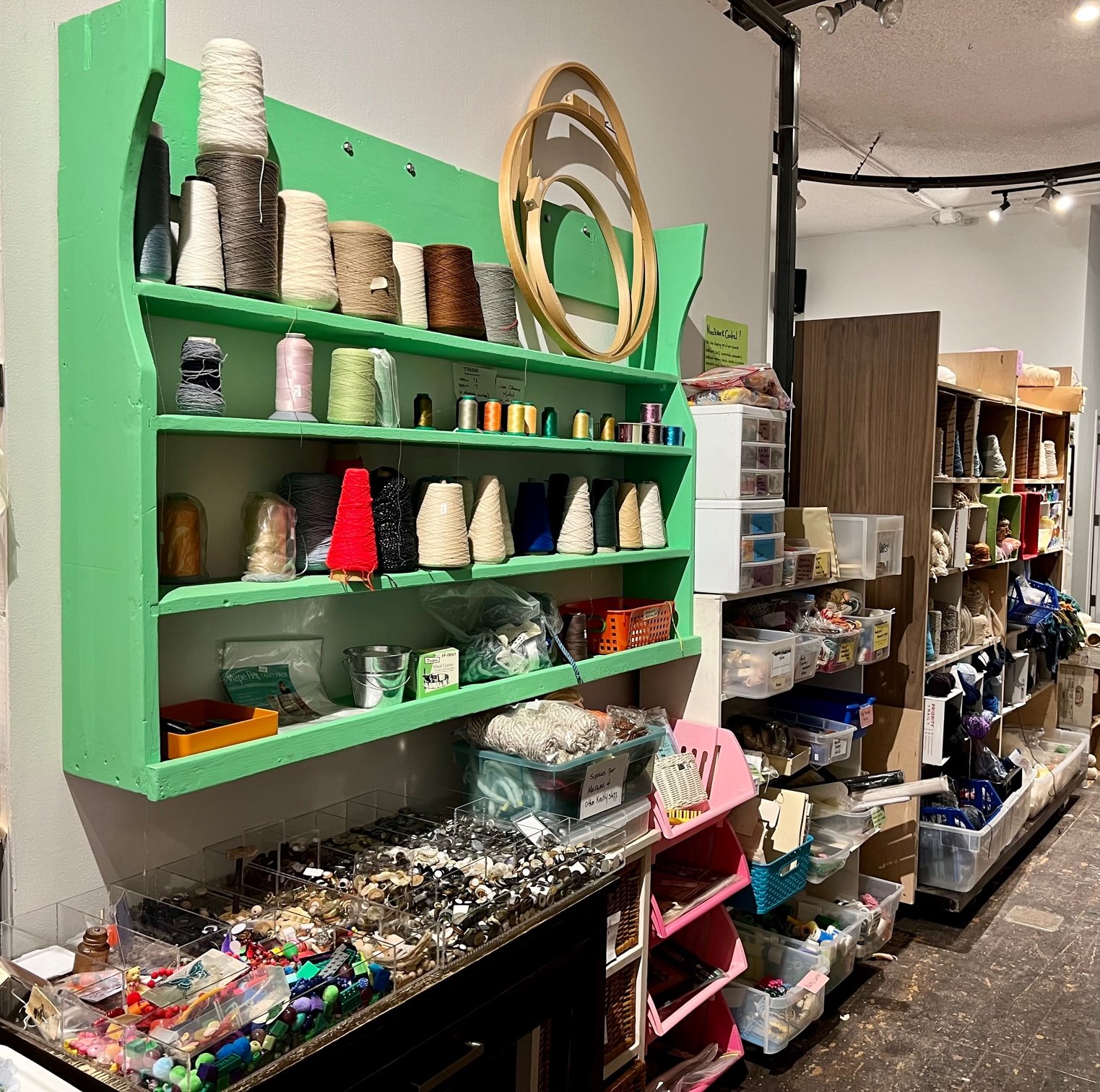
Get Involved at ReCreative
We believe that art fuels innovation and collaboration, and we strive to create a physical space and approach that embodies this belief.
As we work to continue to be not only a model for environmental stewardship, but also a catalyst for social and intellectual enrichment, we hope you’ll join us. By bringing together members of our community to donate, shop, create, and experience cultural and personal connections — we wish to inspire growth and change.
Art has the power to change human consciousness, and the more we continue to build a community who believes this, the more we can all challenge one another to think more broadly about interpersonal and global impact.